


Looking for a free construction estimate template you can use today? This page gives you five ready-to-edit construction estimate templates in PDF, Excel and ZIP formats. Use them to build a home construction cost estimate, a construction budget, a landscaping estimate or a general project bid, and to show clients exactly where their money goes.
What Is a Construction Estimate?
A construction estimate is a forecast of the total cost of a building project. It adds up materials, labor, equipment, subcontractors, permits, overhead and profit so that owners, builders and contractors can agree on a realistic budget before work starts. A clear estimate protects both sides: the client avoids surprise costs, and the contractor avoids underpricing the job. Because construction is one of the biggest personal or professional expenses, careful estimating is one of the most valuable skills in the industry.
Types of Construction Estimates
Estimates become more detailed as a project progresses. A rough order-of-magnitude estimate gives an early idea of cost based on size and type of building. A budget estimate adds more detail once the design is defined. A detailed estimate, also called a bid estimate, itemizes every quantity of material and every labor task and is used to submit a bid. Choose the level of detail that suits your stage: use a simple template for early budgeting and a full itemized sheet when you are ready to commit to a price.
What to Include in a Construction Cost Estimate
- Project information: name, description, site address and expected dates.
- Client and contractor details: names, contact information and license numbers.
- Materials: lumber, concrete, roofing, plumbing, electrical fittings, finishes and other supplies, with quantities and unit prices.
- Labor: trades required, hours and hourly rates.
- Equipment: rental or ownership costs for machinery and tools.
- Subcontractors: specialist work such as electrical, plumbing or HVAC.
- Permits and inspections: government and utility fees.
- Overhead and profit: insurance, office costs and the contractor’s margin.
- Contingency: an allowance, often five to ten percent, for unexpected costs.
- Taxes, total and validity date: the final estimate and how long it is valid.
How to Prepare a Construction Estimate Step by Step
- Study the plans and specifications. Understand the size, design and materials required.
- Take off quantities. Measure and count everything needed: square footage, cubic yards, fixtures and fittings.
- Price materials and labor. Use current supplier quotes and realistic productivity rates.
- Add equipment and subcontractor costs. Include all specialist work.
- Include overhead, profit and contingency. These items make the estimate realistic and sustainable.
- Review and compare. Check the numbers, ask a colleague to review them and compare against similar past projects.
- Present clearly. Use a template so the client can read and approve it easily.
Tips for Homeowners Comparing Estimates
If you are planning to build or renovate, ask several contractors for estimates and compare them line by line. Check that each estimate covers the same scope, because a lower total may simply leave something out. Ask about allowances for items that are not yet chosen, the payment schedule and how changes will be priced. A good contractor will explain the estimate patiently and answer your questions. Using more than one estimate helps you choose the best and most economical option for your project.
Tips for Contractors
Accurate estimates show your professionalism and protect your profit. Keep a database of your past project costs, update supplier prices regularly and note the reasons for any variances after the job is finished. Present your estimate in a clean, consistent format, and explain exclusions and assumptions. Online and offline tools can help you generate error-free estimates quickly, and a reliable template is one of the simplest ways to save time.
Common Cost Factors That Change a Construction Estimate
Several factors can push a construction estimate up or down. Location matters because labor and material prices differ between regions. The quality of finishes, the complexity of the design, site access, soil conditions, weather delays and changes in supplier prices all affect the final cost. Timing also plays a role, since building during a busy season can raise labor rates. When you use these templates, note your key assumptions next to the numbers so the client understands what the estimate is based on and what could change it.
How to Use These Free Estimate Templates
Download the template that matches your job, open it in Microsoft Excel or a PDF editor, replace the sample figures with your own quantities and prices, and print or email the finished estimate. The ZIP downloads need to be extracted before you open the file inside. Save a clean copy so you can reuse it for every new home building, remodeling, roofing or landscaping project.
Download Free Construction Estimate Templates
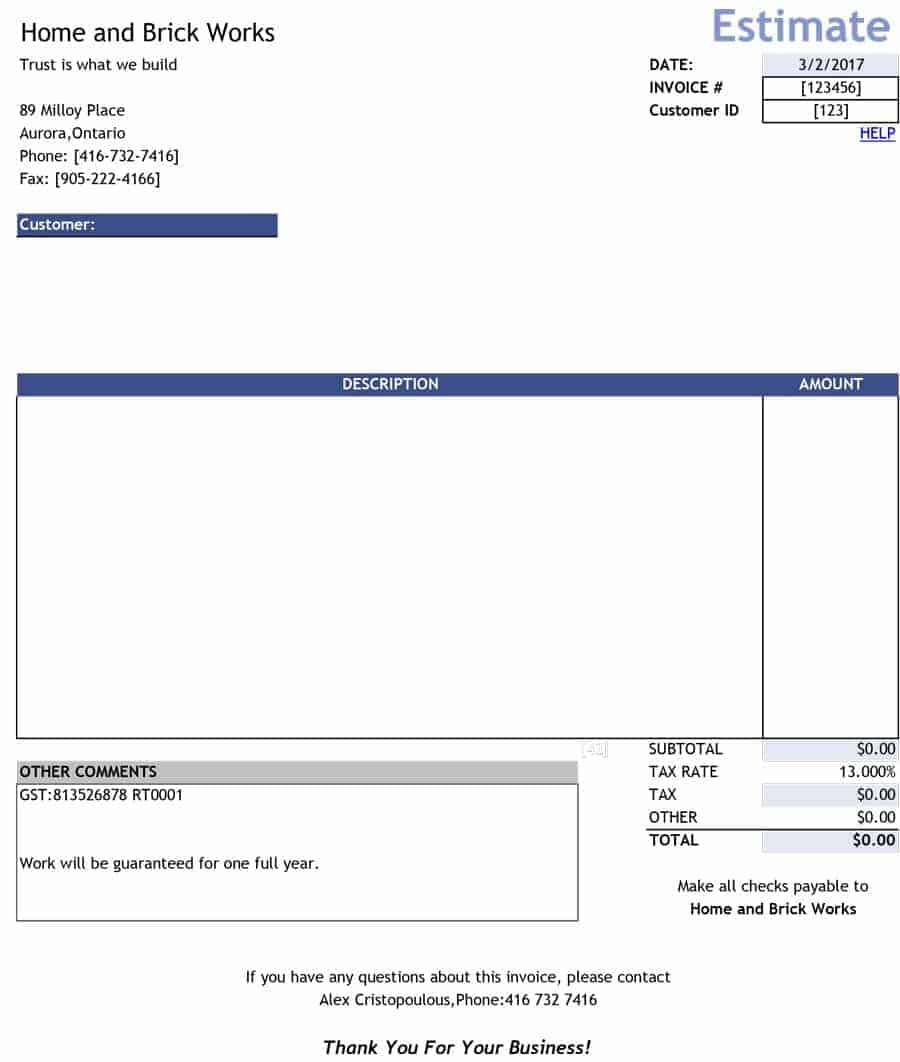
Construction Estimate Template (PDF)

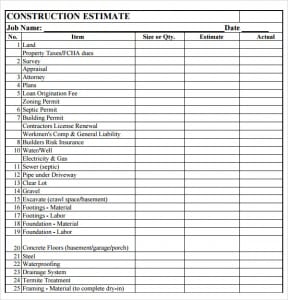




Home Construction Cost Estimate Template

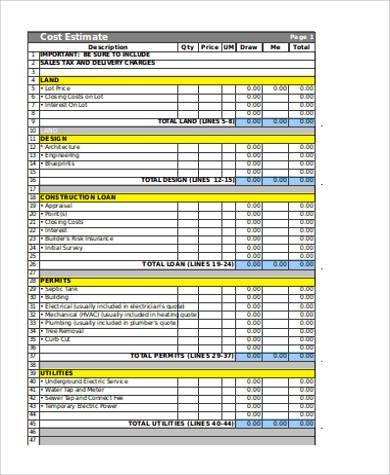




Construction Budget Estimate Example
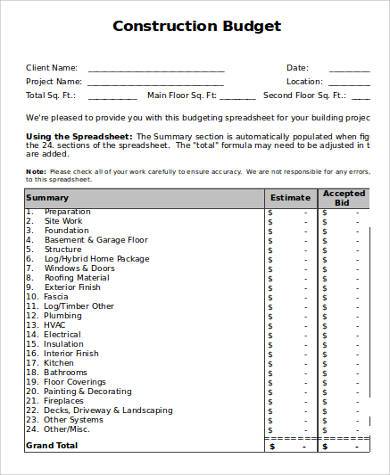
Landscaping Estimate Template (Excel)

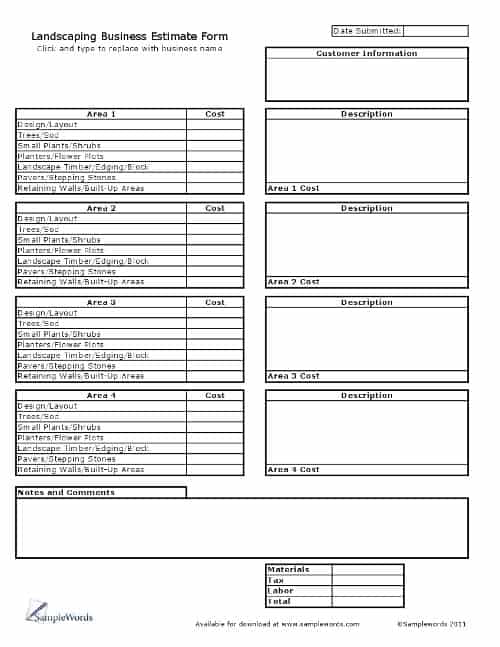

General Project Estimate Template (Excel)


Frequently Asked Questions About Construction Estimates
How accurate is a construction estimate?
Accuracy depends on the level of detail. Early estimates may vary widely, while detailed bid estimates based on full plans can be quite close to final cost. Always include a contingency for unexpected items.
Are construction estimates free?
Many contractors provide free estimates for straightforward jobs, but complex projects may involve a fee. Ask before you request one.
What is the difference between an estimate and a bid?
An estimate is a calculation of expected cost. A bid is a formal offer to do the work for a stated price, usually based on a detailed estimate.
How much contingency should I include?
Five to ten percent is common for well-defined projects, and more for renovations where hidden problems are likely. Adjust it to the level of uncertainty.
How do I open the ZIP files?
Extract them with your computer’s built-in archive tool, then open the document inside with Excel or a PDF reader.
Can I use these templates for a home renovation?
Yes. Replace the sample lines with your renovation tasks, materials and labor to create a budget you can compare with contractor quotes.


